As the DC Children’s Advocacy Center, Safe Shores’ purpose is to uphold the Children’s Advocacy Center Model. Before the CAC Model was created, child victims of abuse would have had to tell their story numerous times to doctors, detectives, lawyers, therapists and more, retraumatizing the child in the process. The CAC model ensures that those children only have to tell their story once, in a safe space, to a trained Forensic Interviewer.
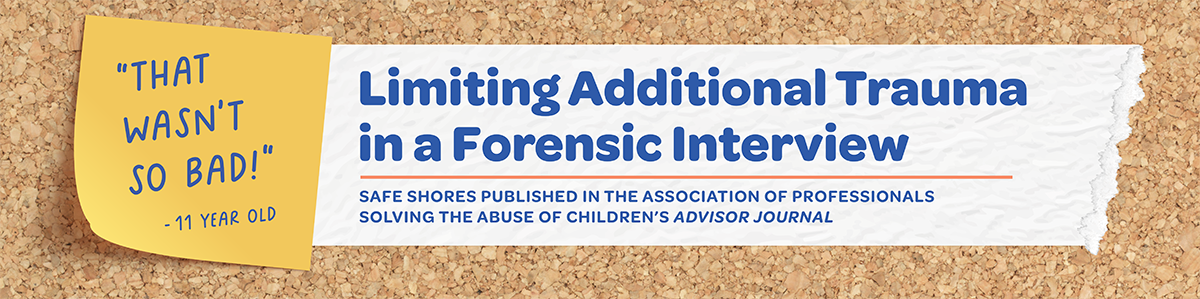
However, there is a common misconception that these Forensic Interviews are traumatizing and distressing for children, leading some caregivers to be reluctant to have their children participate. Safe Shores Forensic Services Program authored a journal article that discusses how the opposite is true and provides practice-informed perspectives for other interviewers to help alleviate additional trauma during a Forensic Interview. Their article, titled “That Wasn’t So Bad,”Limiting Additional Trauma in a Forensic Interview, was published in the March Issue of the Association of Professionals Solving the Abuse of Children’s Advisor Journal.
Strategies Safe Shores Uses During Forensic Interviews
The article highlights the growing body of research that demonstrates when Forensic Interviews are conducted using evidence-based, trauma-informed approaches, they can minimize additional distress while preserving the child’s statement as critical evidence for investigations and the criminal legal and child protection systems.
The Safe Shores Forensic Services Team laid out a number of practical strategies used during their Forensic Interviews that help children feel informed, supported, and empowered throughout the process. These approaches not only improve children’s experiences but also enhance the quality of information gathered and reduce the need for repeated interviews.
These approaches and strategies include:
Anticipatory Guidance
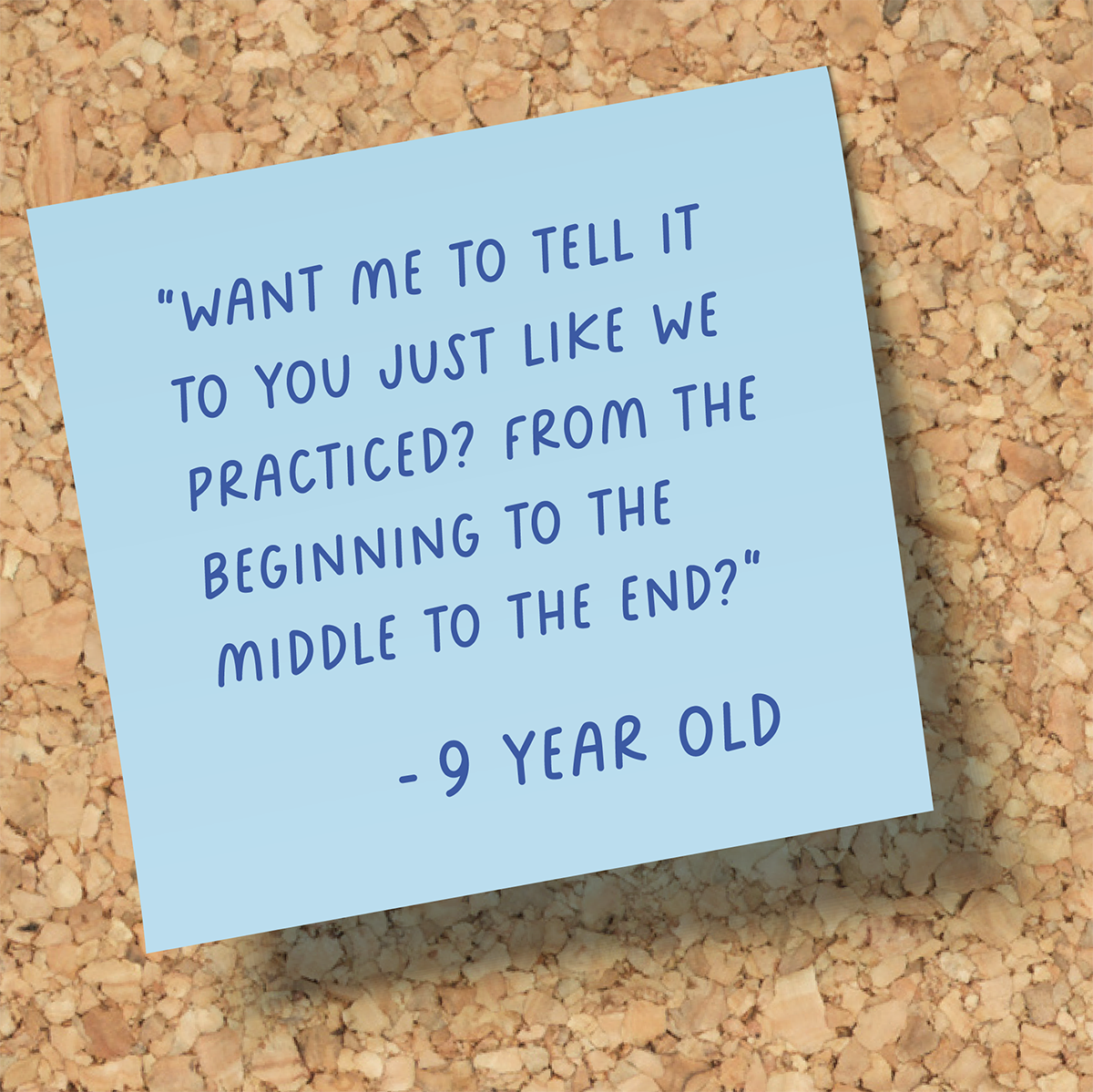
Anticipatory Guidance is where Interviewers tell the child what to expect, so that children understand the process and feel a sense of control. Example: Explaining how the interview will go, and letting the child practice telling a narrative with many details.
Interviewer Support Techniques
Interviewer Support Techniques is where interviewers provide ongoing check-ins and supportive non-suggestive responses to help children feel heard and at ease when sharing their story.
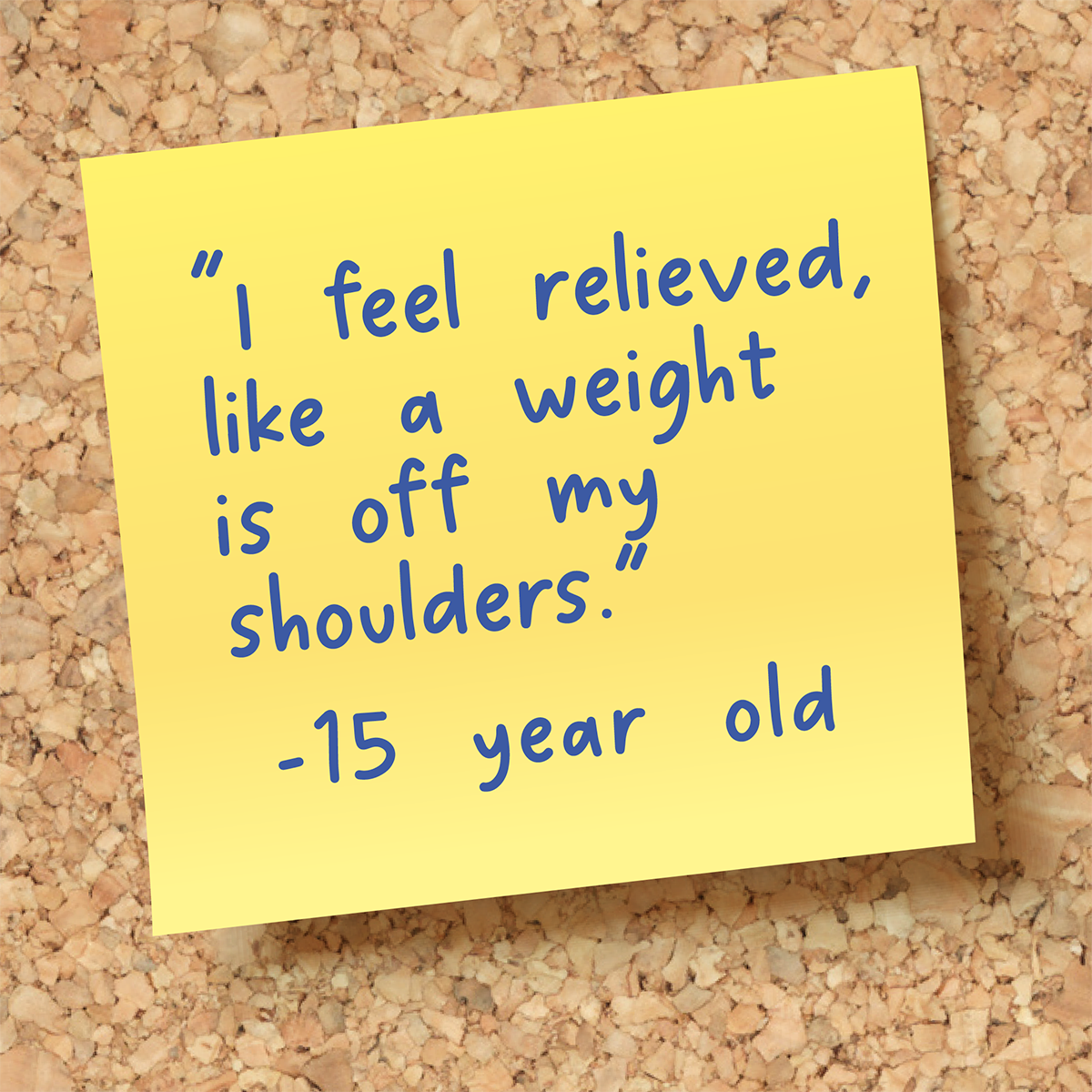
Promoting Narrative Techniques
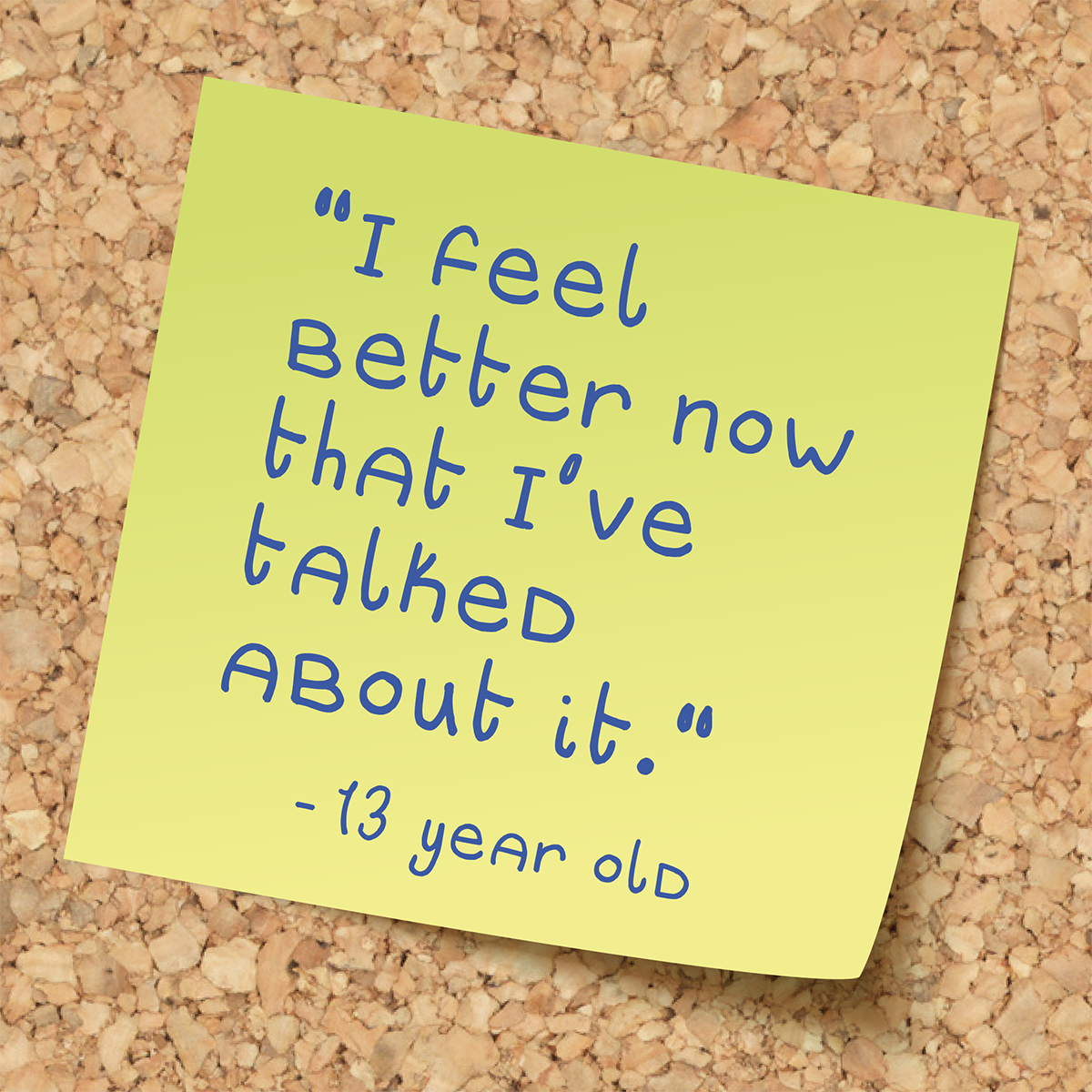
Promoting Narrative Techniques is where interviewers help children share information in their own words, which helps improve the quality of information gathered and reduce the need for repeated questioning.
Safe Shores’ Forensic Interview Tactics Add to Country-wide Best Practices
For CACs across the country, the published article contributes to the continued evolution of trauma-informed Forensic Interviewing by translating research into practical guidance that multi-disciplinary teams can implement. It also helps educate professionals, caregivers, and community members about the important role forensic interviews play in both supporting children and strengthening investigations. By helping dispel misconceptions about the interview process, the article can increase confidence in CAC services, reduce hesitation about referrals, and promote best practices that ultimately lead to better outcomes for children and families.
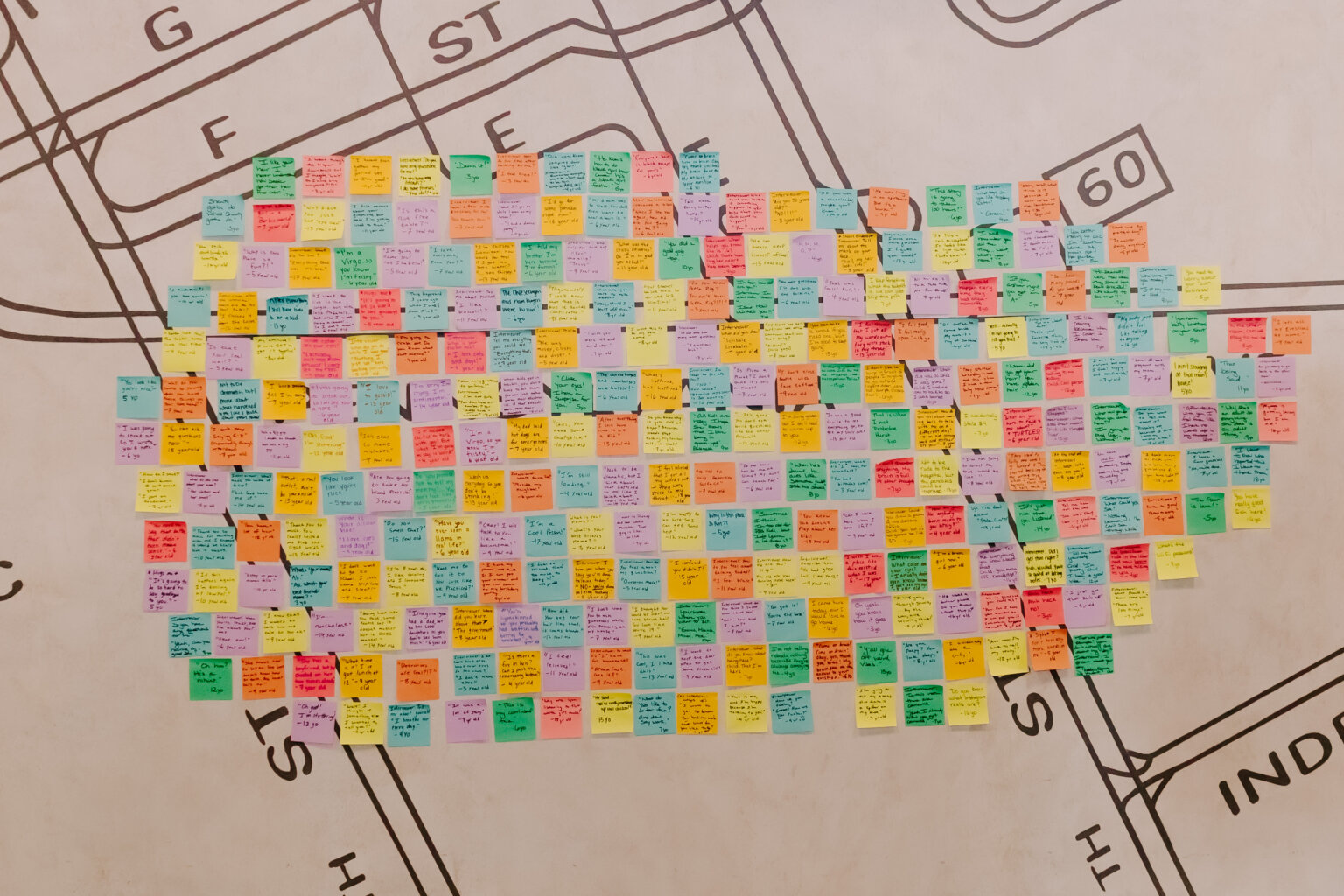
What are these post-it notes?
In 2023, a Forensic Interviewer began writing memorable quotes from the children who came to Safe Shores to tell their story on sticky notes, and putting them on her wall. Soon, others began adding to the wall. Over the years, the quotes grew to fill the entire wall of the interviewer’s office, becoming a bright and colorful showcase of the voices of children who visited Safe Shores.